
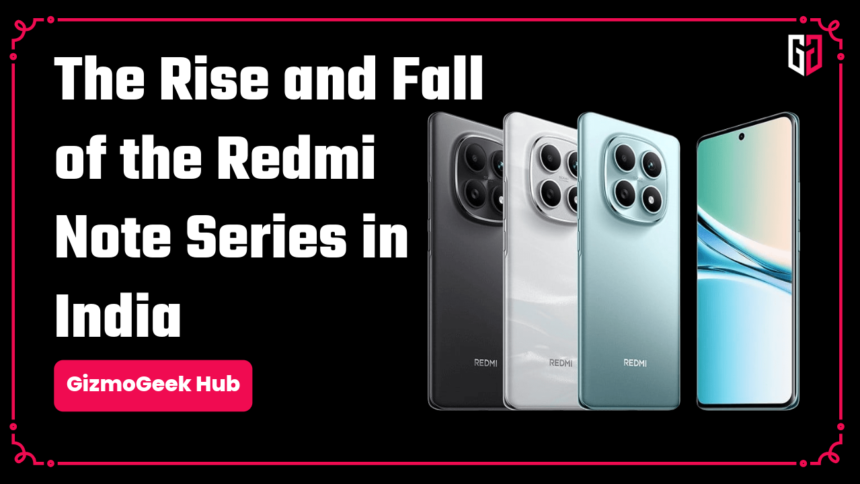
The Redmi Note Series was once “the budget phone king of India”. From being in the hands of every 7 out of 10 people to just being another smartphone in the market, in this thread, I will be talking about the rise and fall and journey of the Redmi Note series in India. From 2014 to 2024, they have come a long way with a lot of good & bads happening in between.
- Redmi Note (2014)
- Redmi Note 4G
- Redmi Note Prime (2015)
- Redmi Note 3 (2016)
- Redmi Note 4 (2017)
- Redmi Note 5 & 5 Pro (2018)
- Redmi Note 6 Pro (Nov 2018)
- Redmi Note 7 Series (2019)
- Redmi Note 8 & 8 Pro (late 2019)
- Redmi Note 9, 9 Pro & 9 Pro Max (2020)
- Redmi Note 10 Series (2021)
- Redmi Note 11 & Onwards:
- Conclusion: The Rise and Fall of the Redmi Note Series in India
There was a time in India when buying a phone under ₹15,000 wasn’t really a decision at all. The only question everyone asked was which Redmi Note device they should pick? For almost a decade, the Redmi Note series wasn’t just another lineup; it became the go-to choice for millions of Indians who wanted the most value for their money. It shaped the budget smartphone market, kept competitors on edge, and built a massive following by delivering “more for less.”
But that dominance has now faded into oblivion. The once undefeatable empire has now fallen. The brand that once ruled the budget segment now seems to be struggling for relevance in the very market it helped create. So what went wrong? How did a phone series that could do no wrong slowly lose its default status and turn into just one more option on the shelf? Let’s explore the story of every Redmi Note phone that launched in India and how they rose to the top, and what led to their fall.
Redmi Note (2014)
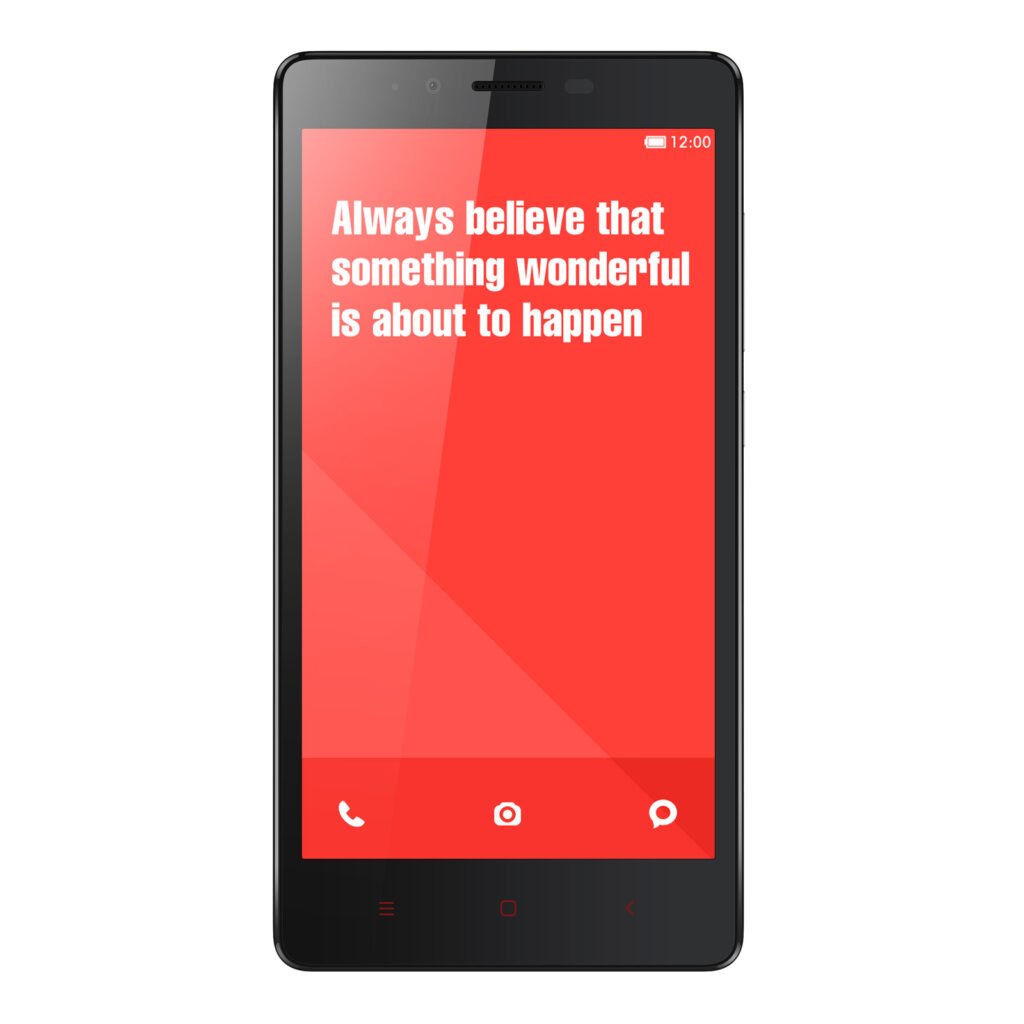
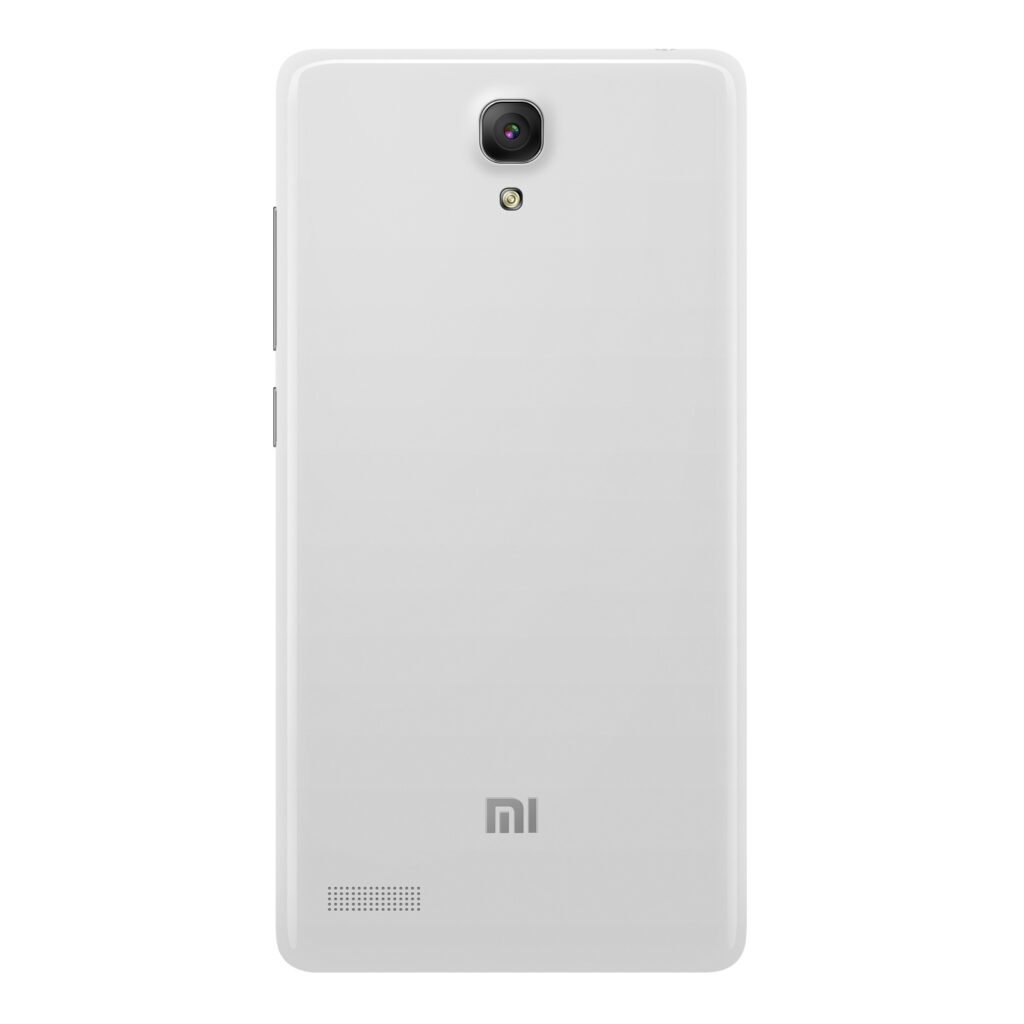
Powered by the MediaTek MT6592, Redmi launched its first-ever note in India in 2014 for Rs.8999. It came with a 13mp main camera and 5mp front camera, along with a 3100mAh cell. Back then, it was described as a Phablet due to its massive 5.5inch display. And this was one of its key selling points apart from its price – people wanted a phone with a big display that won’t burn a hole in their wallets.
The first-ever sale had a stock of 50k devices, and people did show interest in this new brand, trying to make its way into the Indian smartphone market. Little did Xiaomi know that this device would pave the pathway of them to become one of the largest smartphone brands in India.
Redmi Note 4G
Xiaomi updated the chipset of the original Redmi Note to Snapdragon 400 and launched the 4G version without making any other changes to the device, including keeping the same price as before, because “if it ain’t broke, don’t fix it”.
Redmi Note Prime (2015)
Xiaomi never launched the Redmi Note 2 in India. Rather, they fine-tuned the original Redmi Note even more and launched it in 2015 with Snapdragon 410 and called it the Redmi Note Prime.
Till now, the sales have been happening steadily, which we can also call as the lag phase of growth. Not all the people were still convinced to get a phone from a newcomer, especially since it was from a Chinese brand.
Redmi Note 3 (2016)
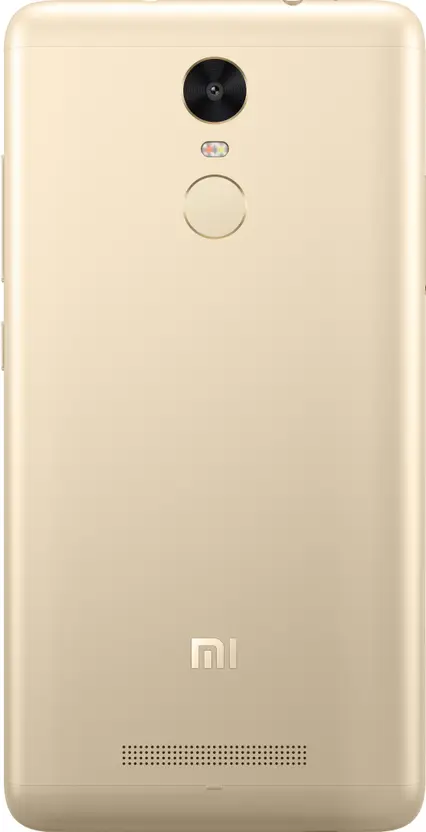
After having a bad 2015, Redmi made its first big hit with the launch of the Redmi Note 3. Coming with a powerful Snapdragon 650, 5.5-inch FHD display, 16MP rear camera, 5MP front camera and a 4000mAh battery, this was a well-packed device. This device screamed value, and people started developing an interest in the Redmi Note series.
From being launched in March 2016, it sold 2.3 million units by September 2016, thus becoming the top-selling online phone in the Indian market. And with this, their journey in the Indian market started picking up pace, and they made it to people’s knowledge that there’s a value-for-money phone known as the Redmi Note 3.
Redmi Note 4 (2017)
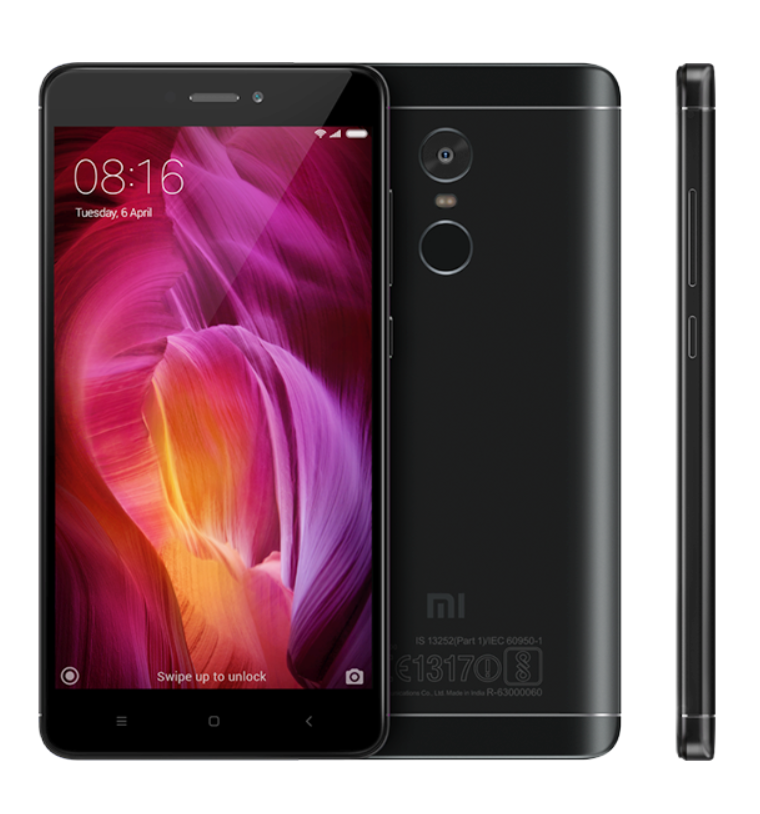
Well, we all know about the Note 4. It disrupted the Indian smartphone market to become one of the most selling smartphones in India of all times selling over 10 million units. The Redmi Note 4 changed the Indian smartphone market forever and also made it to a lot of people’s hands and hearts. Everyone loved this device. It was powered by the Snapdragon 625, came with a great 5.5-inch screen along with a 13MP rear camera and 5MP front camera, both of which took great photos for a phone under 10k in 2017.
Even my mother got one, and it’s still in use as a spare phone for everyone in our house. What a legendary device. The Redmi Note 4 will always have its special spot in the history of Indian smartphones.
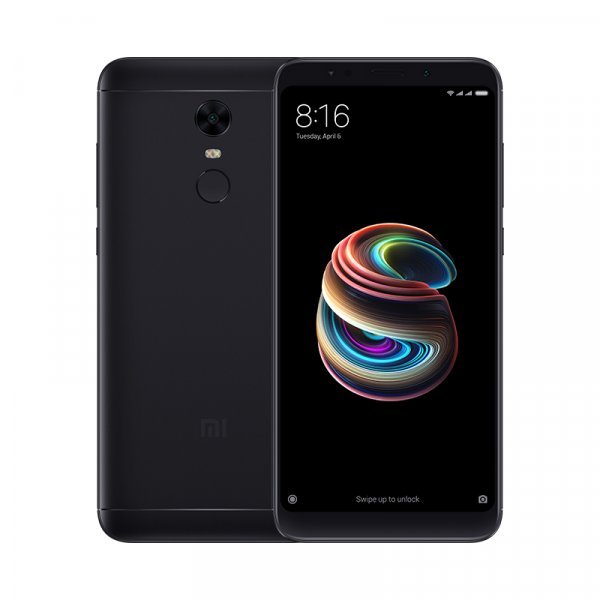
Redmi Note 5 & 5 Pro (2018)
This was the first Pro phone in the Redmi Note series, and it offered a better chipset, better cameras and was the first Redmi Note phone to be priced over 10k in India at Rs.13,999. Also, the Note 5 series featured the first redesign with slimmer top and bottom bezels, giving it a more modern look. It came with dual cameras on the rear (12+2mp) and a 20mp selfie shooter.
Many people who could spend a bit more than 10k got the Note 5 Pro, especially for its better cameras than the standard Note 5 just because of its better cameras. But the Note 5 made good sales too because 10k was a lot to spend on a smartphone for people in 2018. The Note 5 also made it to a lot of hands and was one of the most common smartphones.
Redmi Note 6 Pro (Nov 2018)
Xiaomi went on to launch their second Note device in the same year, and its design basically tried to resemble the iPhone X, but it didn’t make that much of an appeal to most of the people. With the launch of the Note 6 Pro, the prices of the Note 5 & 5 Pro went down, and more people continued to buy them as they made more sense and value.
Looking at the broader picture during this period, the budget smartphone segment is booming in India more than ever. Brands like Realme & Samsung are also trying to capture the market, and people are buying smartphones more than ever after the popularisation of Jio sim cards and fast 4G data coverage everywhere. Xiaomi is still in the driver’s seat with the Note series being the top-selling smartphone in the budget segment.

Redmi Note 7 Series (2019)
This was another major redesign of the Redmi Note Series, adopting a glass sandwich design with a glossy back and a U-shaped cut-out for the front camera and taking the display right up to the edges. They also included a 48mp primary sensor on the Note 7 Pro, which also started the trend of putting high-resolution sensors in budget phones.
We all can take a moment and appreciate how gorgeous the Note 7 Pro looked. They also launched their cheaper version, the Note 7, which was very quickly replaced by a Redmi Note 7s, which had a 48MP primary camera instead of the 12MP sensor in the Note 7. The Note 7s also saw a price bump of 1k, thus taking the entire Note lineup over 10k INR for the very first time. The Note 7 Pro came with a Snapdragon 675, whereas the Note 7/7s had a Snapdragon 660 SoC, both of which were great chipsets for their price.
This series was also well received by the consumers and was sold like hotcakes, with everyone buying it for the 48MP camera and the new design. This was the top-selling smartphone in India for the entire 2019 and even during early 2020 before they cleared all their stocks.

Redmi Note 8 & 8 Pro (late 2019)
For the first time, Xiaomi went with a MediaTek chipset and not a Snapdragon. The Note series was always marketed as an all-rounder device with great cameras, but this time, they advertised it as a performance-centric phone along with a 64MP primary sensor for great photos. And yes, Xiaomi didn’t make false claims; it indeed was a great performer under 20k. It had great power for games like PUBG & CODM during the lockdown, along with having great cameras.
But it didn’t sell as much as the Note 7 series because during this time, Realme launched its X2, which offered a better display and similar performance with a Snapdragon chipset. Both of these fought head-on with each other, trying to capture the market as much as they could.

Redmi Note 9, 9 Pro & 9 Pro Max (2020)
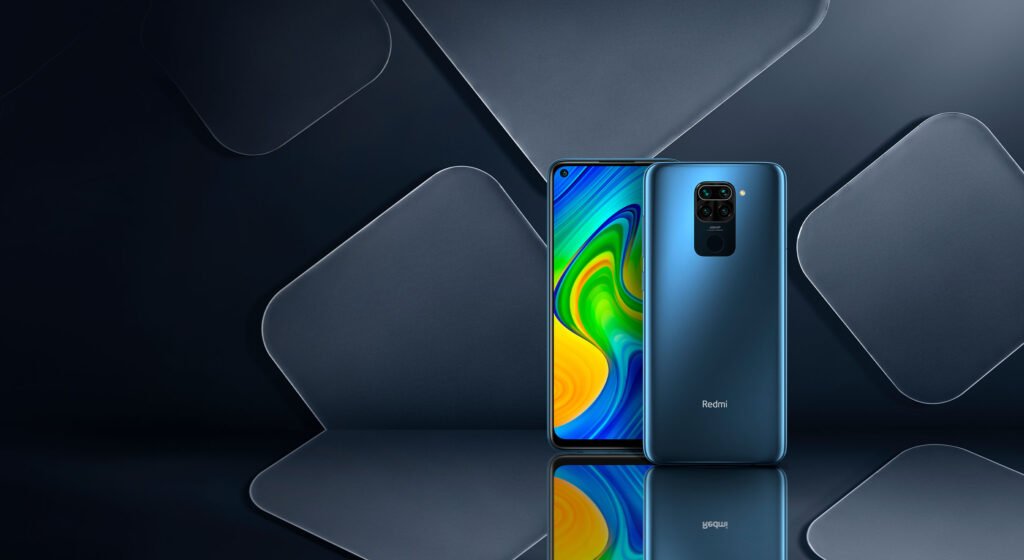
Redmi added a Max model to their lineup and launched 3 phones in March 2020, but due to COVID-19 and the smartphones themselves not being that much appealing over the Redmi Note 8/Pro, the Note 9 Series was not a blockbuster hit. The recipe of the Note 9 Series was simple – slightly bigger battery, a different design, and a shift to Snapdragon 720G from MediaTek. It lacked a slimmer form-factor, an AMOLED display with an in-display fingerprint scanner, better cameras, and faster charging – all of which were being actively offered by the competition, that too at the same price.
Despite all of the caveats, the Note 9 Series did make a good amount of sales as many people were buying phones to meet their needs of online work & studies, and the Redmi Note Series was still very much alive.
Redmi Note 10 Series (2021)
In March 2021, the brand announced the Note 10 Series, which was arguably the best Note series ever. Redmi heard the consumers and fulfilled all their demands and even more. The main highlight was 6.67” 120Hz AMOLED display with HDR support and slim bezels in the Pro & Pro Max devices, which was paired with a sleek design, faster charging than the previous generation, dual speakers, upgraded cameras and the new 5mp TeleMacro camera, which is still one of the most capable macro cameras ever in a phone under Rs. 30k.
But this was also the first time that a Redmi Note Series phone’s price touched Rs.20,000 at launch. (The 256GB variant of the Redmi Note 10 Pro Max was priced at Rs. 20k)
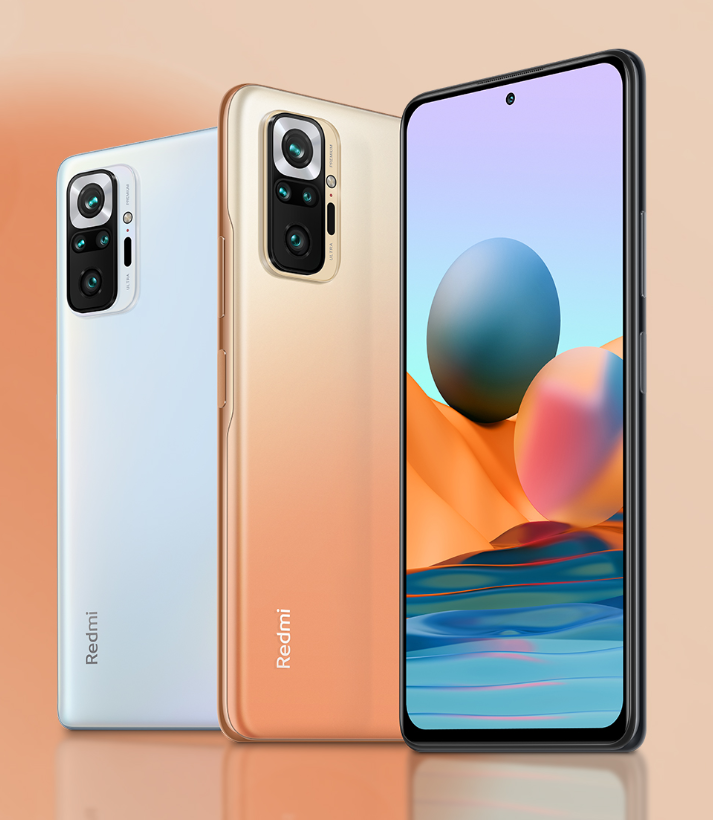
Without a doubt, the Redmi Note 10 series was an instant hit. With the COVID situation still going on, everyone tends to get a reliable smartphone, and as Indians, everyone loves getting more features for less price. The Note 10 Pro, which was the most value for money option, remained sold out for most of the time for the first few months after launch, so high was the demand.
But the story wasn’t all positive. It wasn’t even a year after the launch, and soon people had their motherboards dying and were left with no option but to get them replaced from the official service centres. When it first started to happen, the brand denied free service, and the users, unfortunately, had to pay for the new motherboards, when the damage had happened due to some fault at the brand’s end. When more and more issues started surfacing, Redmi did start to provide free service for devices that were under warranty, but this entire incident marked the first big hit in the trust people had in Redmi, and soon, everything changed in a few years.
Redmi Note 11 & Onwards:
With everything unfortunate that happened with the Redmi Note 10 Pro & Pro Max devices, the consumers were already sceptical about getting a new Redmi Note phone, and yet Redmi launched the Note 11 series, which was more of a sidegrade (with a few downgrades as well) at a price higher than the launch price of the Redmi Note 10 series. The Redmi Note 11 series entered the above Rs.20k price segment, where it was competing with devices that came with better specs, better brand value and even better software and the Redmi Note legacy slowly started to fade away.

The brand kept launching one Note series after the other year on year, but the legacy was not alive anymore. The upgrades were very bare minimum, the prices kept on increasing year on year, and most importantly, other brands were providing better options than Redmi.
In this price to value conscious Indian market, started going with devices which offered better value because they offered better value, obviously but also the image associated with Redmi Note Series was “a budget phone which offered everything” and no one was willing to pay upwards of 25k for a Redmi phone because at the end of the day, when people pay a hefty price for something, they want to show it off as well and Redmi’s brand image just didn’t suit that. Thus, slowly but steadily, the once extremely popular Redmi Note Series started fading into oblivion and becoming just another smartphone in the market.
Conclusion: The Rise and Fall of the Redmi Note Series in India
The story of the Redmi Note series in India isn’t really just about smartphones. It’s a story about how only the fittest can survive and how easily you can be forgotten in the competitive market of India, despite once being a name in every household. Redmi didn’t just sell budget phones; rather, it redefined what a budget phone could be, and for years, it became the obvious choice for millions of people. That success wasn’t accidental; it was a wave Redmi created and rode at exactly the right moment.
But markets don’t stand still, and neither do consumers. What once felt exciting and groundbreaking slowly started to feel familiar, even predictable. Prices went up, upgrades became safer, competition got stronger, and a few serious missteps hurt the trust Redmi had built over the years. At that point, the Redmi Note series could no longer survive on its reputation alone.
Today, its journey stands as a reminder that in a value-driven market like India, nothing stays on top forever. In a space where value is everything, standing still & not listening to what the consumers actually want is often the quickest way to get left behind, and Redmi is a prime example of that.
We hope you found this article helpful. Keep exploring GizmoGeek Hub for more tech news, stories, and reviews that will keep you informed about the latest trends and advancements in technology. We aim to provide detailed and unbiased reviews, thorough tutorials, and current news to help you enhance your tech knowledge and skills. Continue reading GizmoGeek Hub for more articles and reviews. Follow us on YouTube, X (formerly Twitter), Instagram, LinkedIn, and our WhatsApp Channel to stay updated on the newest news, announcements, and behind-the-scenes content.
Request – As a new site, we largely depend on ad revenue to support our operations. Please consider turning off any ad blockers you use when visiting our website. Viewing ads helps us continue delivering the high-quality content you enjoy. Your support is very important to us and helps keep GizmoGeek Hub running smoothly. We sincerely appreciate your ongoing support, and thank you for sticking with us!